
Understanding Heritage Restoration
Heritage restoration is far more than routine repair work. It's about preserving the character, integrity, and historical significance of old buildings while ensuring they remain structurally sound and weather-resistant for generations to come.
Preserve Character & Integrity
Traditional restoration methods respect the original design, materials, and craftsmanship of heritage buildings. Every decision—from stone selection to mortar composition—is made with historical authenticity in mind.
Traditional Materials Are Essential
Pre-1919 buildings were constructed with lime mortar and natural stone designed to be breathable and flexible. Modern cement-based products can trap moisture and cause irreversible damage. Heritage restoration requires materials that match the original specifications.
Building Physics Matter
Breathability, flexibility, and durability are the cornerstones of heritage restoration. Lime mortar allows moisture to evaporate naturally, moves with the building as it settles, and can be carefully removed for future repairs without damaging the stone beneath.
Compliance with Heritage Standards
Listed buildings and heritage properties often require specific approval and adherence to conservation principles. PDH's expertise in heritage standards ensures your restoration work meets all requirements while preserving the property's historical value.
Long-Term Value & Durability
Quality heritage restoration work is built to last generations. Traditional methods and materials, when properly applied, provide superior durability and longevity compared to quick-fix modern approaches.
"Heritage restoration isn't just about fixing what's broken—it's about honoring the craftsmanship of those who built these structures and ensuring they endure for the future."
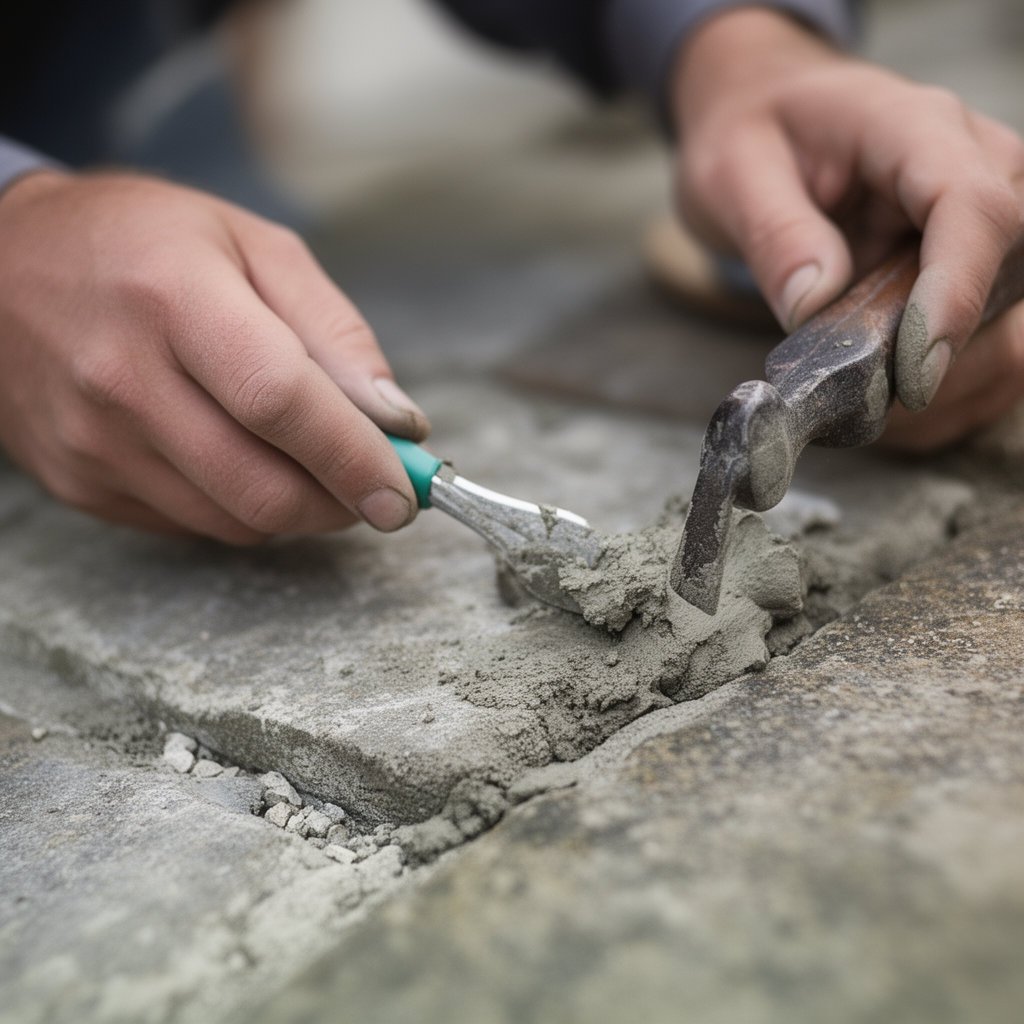
Understanding Lime Mortar
Lime mortar is the foundation of traditional stone masonry and heritage restoration. Learn why it's essential for pre-1919 buildings and how it differs from modern cement mortar.
What is Lime Mortar?
Lime mortar is a traditional binding material made from lime (calcium hydroxide), sand, and water. For centuries, it was the standard mortar used in stone and brick construction before Portland cement was invented in the 1800s. Lime mortar has been used for thousands of years—from Roman structures still standing today to medieval castles and Georgian townhouses.
The composition typically consists of non-hydraulic lime (air lime) or hydraulic lime mixed with sharp sand and water. The mortar cures slowly through carbonation—absorbing CO₂ from the air—which creates a durable, breathable bond that's fundamentally different from modern cement-based mortars.
Lime Mortar vs. Cement Mortar: Key Differences
| Property | Lime Mortar | Cement Mortar |
|---|---|---|
| Breathability | High – allows moisture vapor to pass through | Low – traps moisture inside the wall |
| Flexibility | Flexible – moves with building settlement | Rigid – can crack under stress |
| Reversibility | Reversible – can be safely removed | Irreversible – bonds permanently |
| Curing Method | Carbonation (slow, 3–12 months) | Hydration (fast, 28 days) |
| Strength | Lower compressive strength – softer than stone | Higher compressive strength – harder than stone |
| Best For | Pre-1919 buildings, heritage properties | Modern construction, new builds |
Why Lime Mortar is Essential for Pre-1919 Buildings
Breathability: The Critical Difference
Lime mortar is porous and allows moisture vapor to pass through. Old stone buildings naturally absorb and release moisture from the environment. If you apply rigid cement mortar to an old building, moisture gets trapped inside the walls. Over time, this causes rising damp, frost damage, spalling (flaking) of stone, and structural decay. Lime mortar breathes with the building, allowing moisture to escape safely.
Flexibility: Working with the Building
Old buildings settle, shift, and move over time. Lime mortar is softer and more flexible than stone, so it acts as a shock absorber. If a building moves slightly, the mortar flexes without cracking. Cement mortar is harder than stone—if the building moves, the stone cracks rather than the mortar. This is why you see horizontal cracks in buildings where cement mortar has been applied to old stone walls.
Reversibility: Future-Proof Restoration
Lime mortar can be carefully removed without damaging the stone—important for future repairs or repointing. Cement mortar bonds so strongly that removing it often damages the stone itself. For heritage properties and listed buildings, reversibility is a conservation principle: any work done should be able to be undone without harm to the original material.
Heritage Compliance & Regulations
If your property is listed or located in a conservation area, using lime mortar may be a requirement. Heritage authorities and conservation bodies recommend lime mortar for pre-1919 buildings. Using cement mortar can actually damage the property and may violate conservation regulations. For any heritage work, lime mortar is not optional—it's essential.
Debunking Common Misconceptions About Lime Mortar
"Lime Mortar is Weak and Won't Last"
Reality: Lime mortar has proven durability over centuries. Roman structures built with lime mortar 2,000 years ago are still standing. The key is that lime mortar isn't designed to be stronger than the stone—it's designed to be softer. This protects the stone from damage. Lime mortar lasts for generations when applied correctly to appropriate structures.
"Lime Mortar is More Expensive Than Cement"
Reality: Lime mortar can be cost-competitive with cement mortar when you factor in long-term durability and the cost of future repairs. Using cheap cement mortar on an old building often leads to expensive damage that requires complete restoration. Lime mortar is an investment in the longevity of your property.
"Any Lime Mortar Will Work"
Reality: Lime mortar quality varies significantly. The type of lime (non-hydraulic vs. hydraulic), sand composition, and aggregate ratios all matter. Using the wrong lime mortar mix can cause problems. Professional lime mortar restoration requires testing, sampling, and matching the original mortar composition. This is where expert consultation makes a real difference.
How PDH Selects and Tests Lime Mortar for Restoration
Material Analysis
We sample the existing mortar from your building to understand its original composition. Lab analysis tells us the lime type, sand ratio, and aggregate characteristics. This ensures our restoration mortar matches the original as closely as possible.
Stone Type Assessment
Different stones require different mortar mixes. Soft sandstone needs a different lime mortar than hard granite. We evaluate your stone type and condition to recommend the appropriate mortar strength and composition.
Trial Mixes & Testing
We prepare trial mortar mixes and test them on sample areas of your building. This allows us to verify color match, workability, and performance before committing to the full project. You see exactly what the finished result will look like.
Sourcing Premium Materials
We source high-quality lime from trusted suppliers and use sharp sand with appropriate grading. Every component is selected for durability and compatibility with your specific building and stone type.
Long-Term Benefits & Durability
Prevents Structural Damage: By allowing moisture to escape, lime mortar prevents the water damage, frost damage, and spalling that plague buildings repointed with cement mortar.
Protects Your Investment: Lime mortar restoration is an investment in the long-term value and integrity of your property. It prevents expensive damage that would require complete restoration down the line.
Maintains Heritage Character: Lime mortar preserves the authentic appearance and character of your building. It ages gracefully and looks natural on historic structures.
Ensures Compliance: For listed buildings and conservation areas, lime mortar ensures you meet heritage and regulatory requirements. It protects you from future enforcement action.
Built to Last Generations: When done right, lime mortar restoration work lasts for decades or longer. You're not patching a problem—you're solving it permanently.
The Bottom Line
Lime mortar isn't just a traditional choice—it's the scientifically sound solution for pre-1919 buildings and heritage properties. It protects your stone, prevents damage, respects the character of your building, and ensures compliance with heritage standards. Using lime mortar on old buildings isn't about being nostalgic; it's about being smart.
Ready to Learn More About Your Building?
Not sure if your property needs lime mortar restoration? Our team can assess your building, analyze your existing mortar, and recommend the right approach for your specific situation.
Stone Preservation & Maintenance
Protecting your stone structures doesn't require constant intervention—just thoughtful, preventative care. This guide walks you through the essentials of stone maintenance and helps you recognize when it's time to call a specialist.
Regular Inspection: Spotting Early Signs
The best defense against costly repairs is early detection. Walk around your property at least twice a year—spring and autumn are ideal—and look for warning signs.
What to look for:
- Cracks in mortar joints (especially horizontal cracks or stair-step patterns)
- Loose or missing stones, chips, or spalling (surface flaking)
- Damp patches, efflorescence (white salt deposits), or discoloration
- Bulging or bowing walls, which indicate structural movement
- Vegetation growth in joints (moss, ivy, or roots)
Pro Tip: Take photos during each inspection. Comparing images over time makes small changes obvious and helps any specialist you consult understand the history of the problem.
Cleaning Stone Safely
Stone is durable, but aggressive cleaning can cause permanent damage. The rule is simple: gentle methods first, aggressive methods only as a last resort.
✓ Safe cleaning methods:
- Soft-bristle brush with plain water
- Low-pressure water rinse (below 40 bar / 600 psi)
- Mild soap solution for light soiling
- Allow natural weathering—patina is character
✗ Avoid at all costs:
- High-pressure washing (damages mortar and stone surface)
- Harsh chemicals, acid cleaners, or sealers (trap moisture, cause salt damage)
- Wire brushes or abrasive scrubbing (scours the stone)
- Waterproofing coatings (prevent breathability, cause internal damage)
Pointing Maintenance: When to Repoint
Mortar joints are the "glue" holding your wall together. Over time, they weaken and need attention. Proper maintenance extends the life of your entire structure.
Signs your walls need repointing:
- Mortar is crumbling or missing entirely
- Joints are recessed (mortar has eroded back from the stone face)
- Water is entering through joints (damp patches inside)
- Stones are loose or moving slightly
The repointing process: Old mortar is carefully raked out and replaced with compatible mortar. For pre-1919 buildings, lime mortar is essential—it's breathable, flexible, and reversible, protecting both the stone and the building's overall health.
Typical timeline: Well-executed lime mortar repointing can last 50–100+ years, depending on exposure and climate.
Moisture Management: Addressing Rising Damp
Moisture is the enemy of stone structures. Rising damp—water moving up from the ground—is a common problem in older buildings. Left unchecked, it damages mortar, stone, and interior finishes.
Signs of rising damp:
- Damp patches on walls, typically up to 1–1.5 meters from ground level
- Efflorescence (white salt staining) on stone or plaster
- Peeling paint or wallpaper near the base of walls
- Musty smell or mold growth
What helps:
- Ensure ground slopes away from the building to shed water
- Keep gutters and downspouts clean and functioning
- Avoid building soil or mulch against external walls
- Allow air circulation around the base of walls
- For serious cases, lime mortar repointing and proper ventilation can help significantly
Note: Avoid modern cement-based repairs or waterproof coatings on old stone—they trap moisture inside, making problems worse. Lime mortar solutions work with the building's natural breathability.
Seasonal Care: Protecting Your Walls Year-Round
Different seasons bring different challenges. A little seasonal attention prevents big problems.
Spring:
- Clear gutters and downspouts of winter debris
- Inspect for frost damage (spalling, loose stones)
- Check for vegetation growth in joints and remove gently
Summer:
- Monitor for dry cracks (some movement is normal, but watch for patterns)
- Ensure ivy or climbing plants don't damage mortar or trap moisture
Autumn:
- Clean gutters again before winter rains
- Inspect joints for erosion and plan repointing if needed
Winter:
- Ensure proper drainage to prevent ice buildup
- Avoid using salt near stone (it accelerates deterioration)
- Monitor for frost damage after freeze-thaw cycles
When to Call a Specialist
Some maintenance tasks are DIY-friendly, but complex or structural issues need expert hands. Knowing the difference saves time, money, and prevents costly mistakes.
Call a specialist immediately if you notice:
- Structural cracks (diagonal or stair-step patterns across multiple joints)
- Bulging or bowing walls
- Extensive missing or crumbling mortar
- Water penetration into the building interior
- Loose or displaced stones
- Work on listed buildings or heritage properties (compliance is critical)
Why specialist knowledge matters:
- Understanding stone type and appropriate repair materials
- Diagnosing root causes (not just treating symptoms)
- Ensuring heritage compliance and conservation standards
- Using lime mortar correctly (critical for old buildings)
- Preventing damage from inappropriate repairs
Free Consultation: PDH Stone Masonry offers free, no-obligation consultations to assess your stone structures and discuss the best approach for your specific situation.
DIY vs. Professional Work: Knowing Your Limits
| Task | DIY Suitable? | Notes |
|---|---|---|
| Gutter cleaning | Yes | Straightforward preventative maintenance |
| Gentle brush cleaning | Yes | Use soft bristles and water only |
| Vegetation removal | With care | Remove gently; don't damage mortar |
| Repointing mortar | No | Requires skill, proper materials, and knowledge of lime mortar |
| Stone replacement | No | Structural work; requires expertise in stone selection and fitting |
| Structural assessment | No | Professional diagnosis prevents costly mistakes |
| Heritage/listed property work | No | Compliance and conservation expertise required |
Key Takeaways
Inspect regularly: Twice yearly inspections catch problems early, when they're easier and cheaper to fix.
Clean gently: Water and soft brushes are your friends. Aggressive methods cause damage that lasts for decades.
Address moisture: Rising damp and water penetration are the primary drivers of stone deterioration. Good drainage and ventilation prevent most problems.
Use compatible materials: For pre-1919 buildings, lime mortar is non-negotiable. It breathes, flexes, and reverses—cement does not.
Know your limits: Preventative maintenance is DIY territory. Structural work, repointing, and heritage compliance require specialist expertise.
Need Expert Guidance on Your Stone Structure?
PDH Stone Masonry offers free consultations to assess your property's needs and discuss the best approach for preservation and maintenance.
Need Expert Guidance on Your Heritage Property?
PDH offers free consultations on stone preservation and restoration. Our experts will help you understand your options and develop a plan tailored to your property's needs.
Free Consultation
No obligation, no hidden fees – just expert advice
18+ years of expertise in heritage restoration and traditional stone masonry. Serving Limerick, Cork & Kerry.